Address
5501 E. 33rd Avenue, Denver, Colorado
5501 Forward
5501 Forward is advancing a disciplined predevelopment process for 5501 E. 33rd Avenue, focused on diligence, entitlement strategy, design feasibility, and capital readiness.
This page summarizes what is known today, what remains under review, and how the project team is converting early unknowns into clear decisions before any final development commitment is made.
Address
5501 E. 33rd Avenue, Denver, Colorado
Current Phase
Early planning, due diligence, and outreach
Project Type
Potential mixed-use redevelopment
Design Status
Conceptual only — not approved
Community Input
Active listening phase
Diligence Focus
Environmental, entitlement, design, construction, and capital readiness
5501 E. 33rd Avenue represents an opportunity to evaluate whether an underutilized site can become a more active, useful, and financially sustainable neighborhood asset.
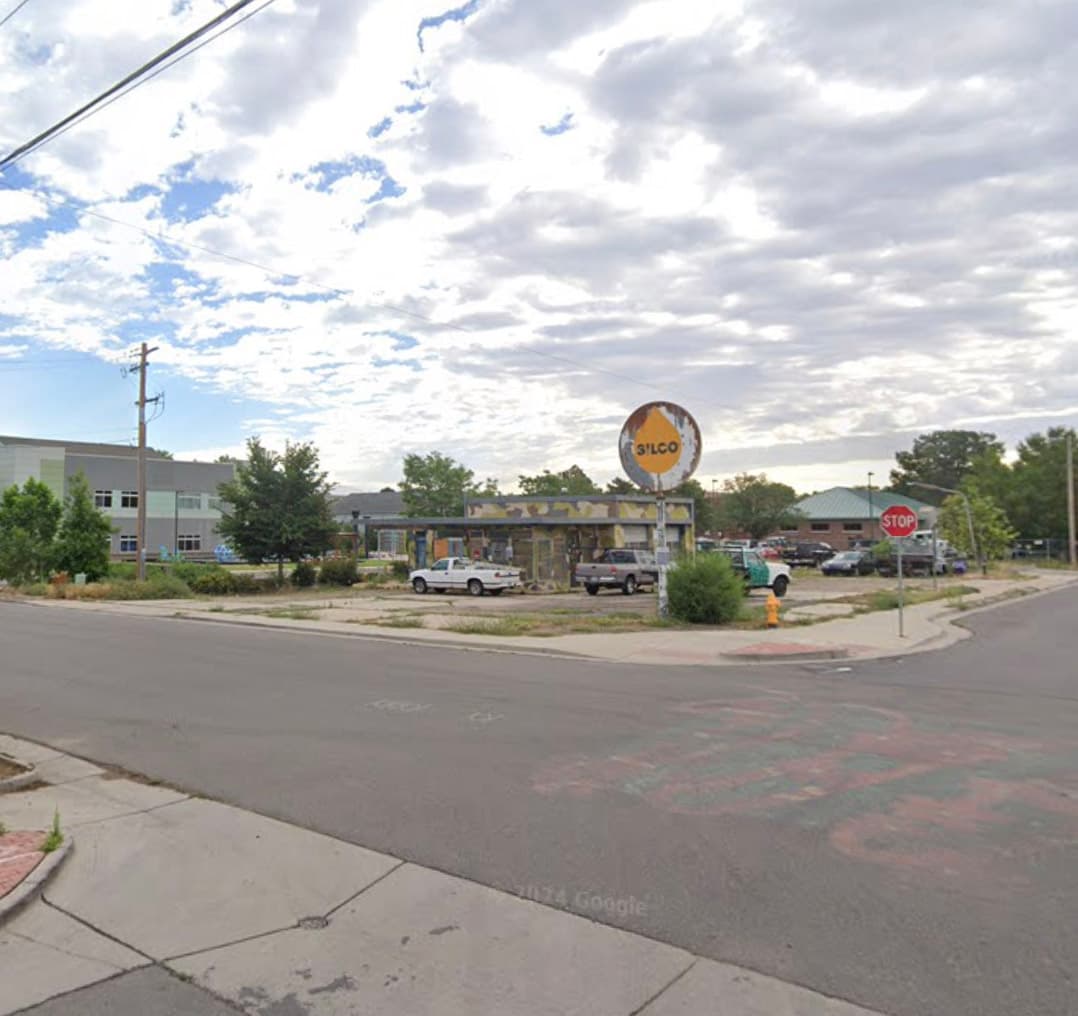
Before any final concept is advanced, the project team is reviewing the site as it exists today, including frontage, access, surrounding uses, pedestrian experience, environmental history, infrastructure, and long-term improvement opportunities.
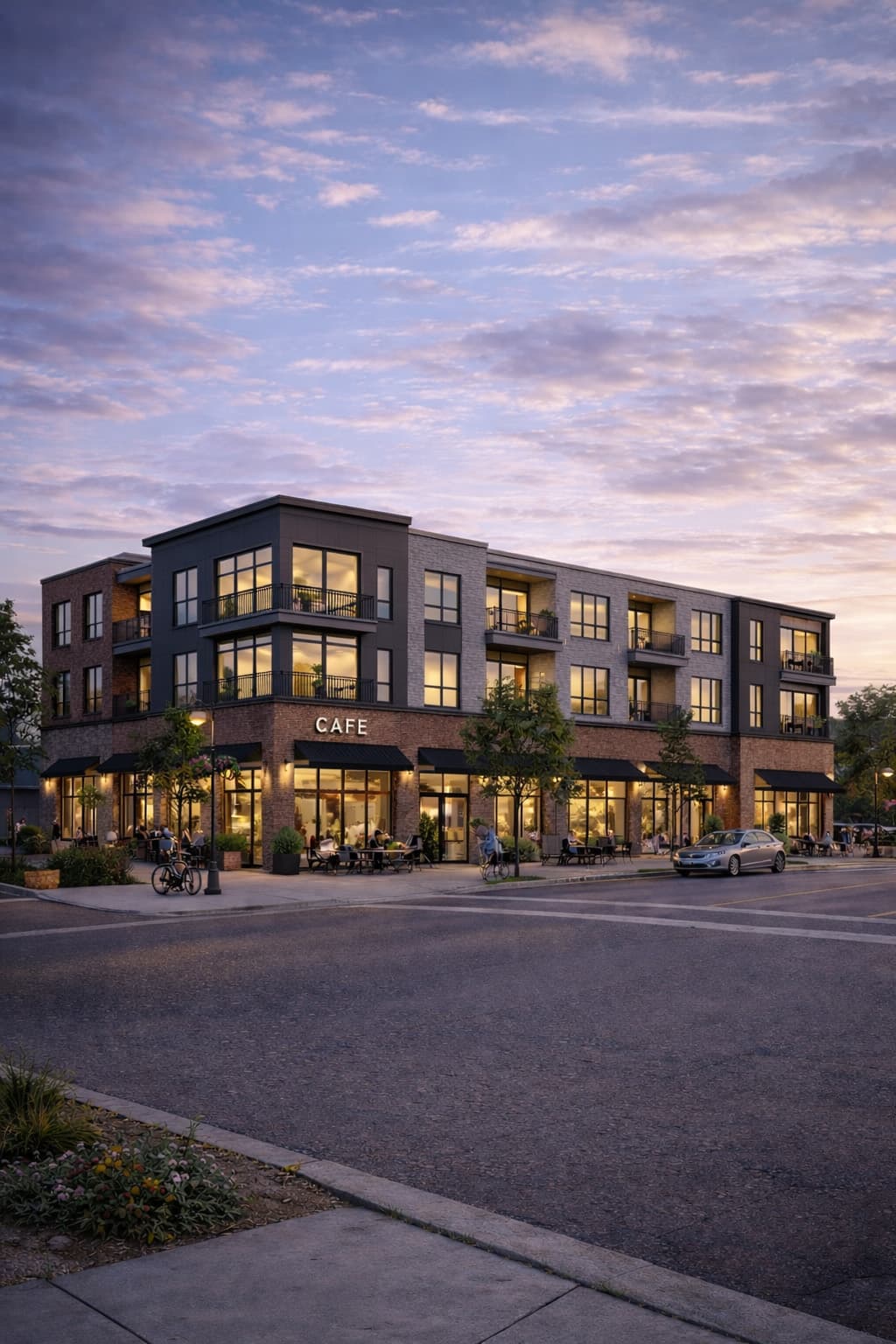
The project team is using conceptual images to compare scale, street presence, housing opportunity, feasibility, and neighborhood fit. These images are not final designs.
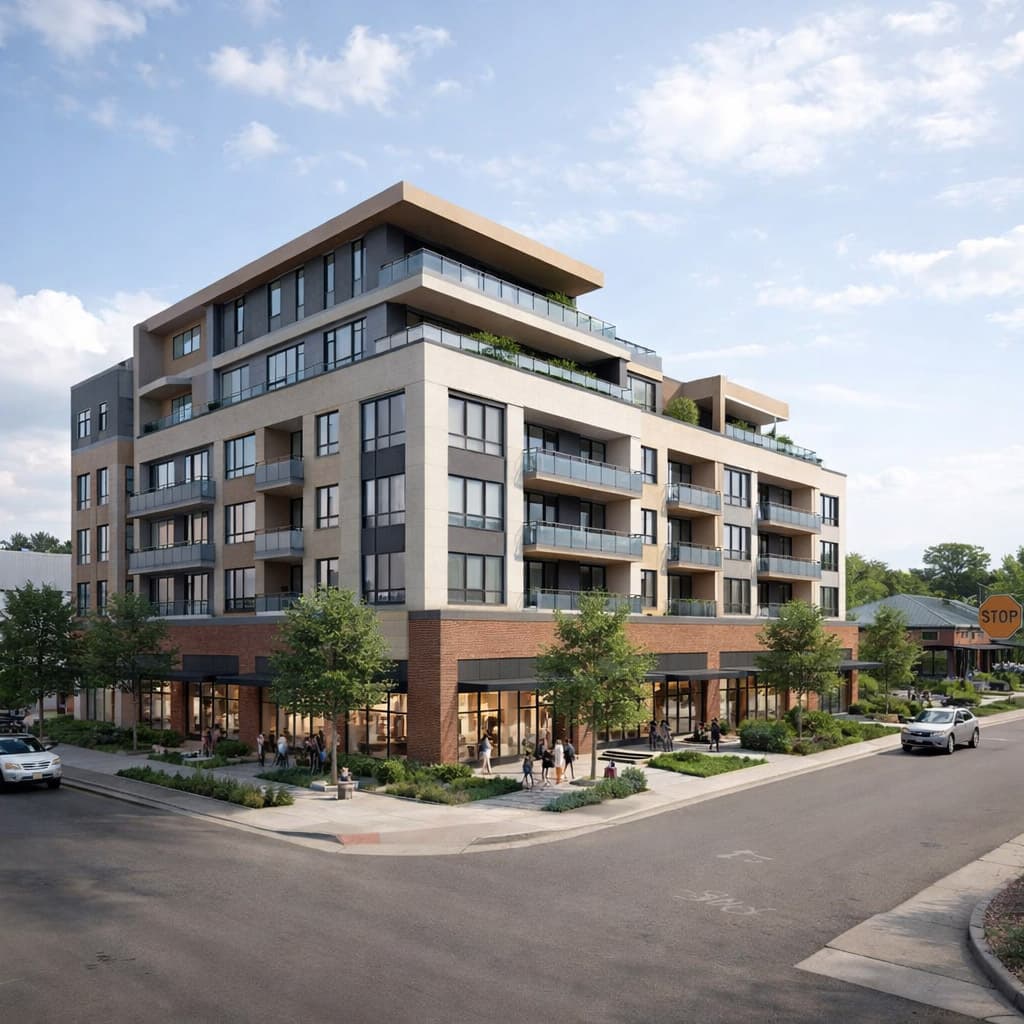
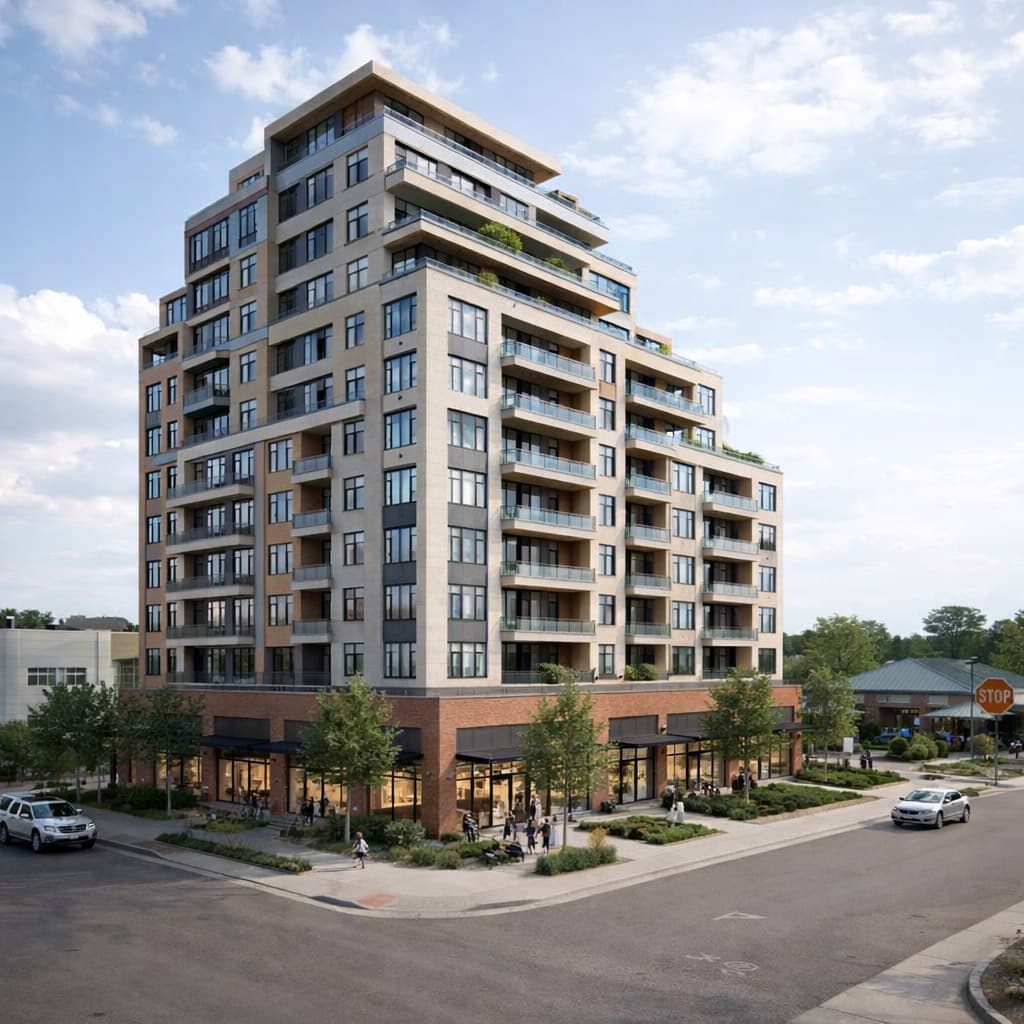
Conceptual image for discussion purposes only. Final design, height, density, unit count, retail layout, parking configuration, financing, approvals, and construction scope remain subject to due diligence, community input, entitlement review, public process, and project underwriting.
For a project to advance responsibly, the team must build confidence through diligence, not assumptions.
Review existing site conditions, access, utilities, environmental history, and physical constraints.
Understand what neighbors, nearby businesses, and public stakeholders want this corner to provide.
Compare scale, street presence, retail activation, housing potential, and feasibility.
Evaluate approvals, zoning pathways, public process, and city review requirements.
Organize the diligence package, project narrative, cost assumptions, and funding path before advancing.
The project is being organized around decision gates before any final development commitment is made.
Gate 1
Site conditions and environmental diligence must indicate a responsible path that can be further studied.
Gate 2
Feedback themes from neighbors and stakeholders must be understood and incorporated into scenario review.
Gate 3
Conceptual options must be narrowed based on fit, feasibility, and street-level performance.
Gate 4
A realistic review and approval pathway must be identified with city process requirements in view.
Gate 5
Preliminary costs, funding structure, and execution assumptions must support continued evaluation.
Gate 6
Only after the prior gates are validated can a final go/no-go recommendation be considered.
The project team is evaluating whether a future redevelopment could support public-facing benefits while remaining financially and technically feasible.
A multidisciplinary advisory group is being assembled to support due diligence, design feasibility, entitlement strategy, construction planning, and capital-readiness.
Terry Johnson — Owner / Developer
Property ownership and development sponsor through Choice Property Investments LLC.
Lucy Van Dusen, LCVD Architecture — Architect Partner
Architectural planning, design feasibility, massing input, and entitlement-facing design guidance.
Mike Jameson — General Contractor A
Commercial GC review, constructability input, and execution planning.
Klaus Hirtler — General Contractor B
Commercial GC review, alternate constructability perspective, and cost/field input.
Peter Van Dusen, LCVD Architecture — Architectural Advisor
Architectural advisory support, design feasibility input, entitlement-facing perspective, and project coordination insight.